
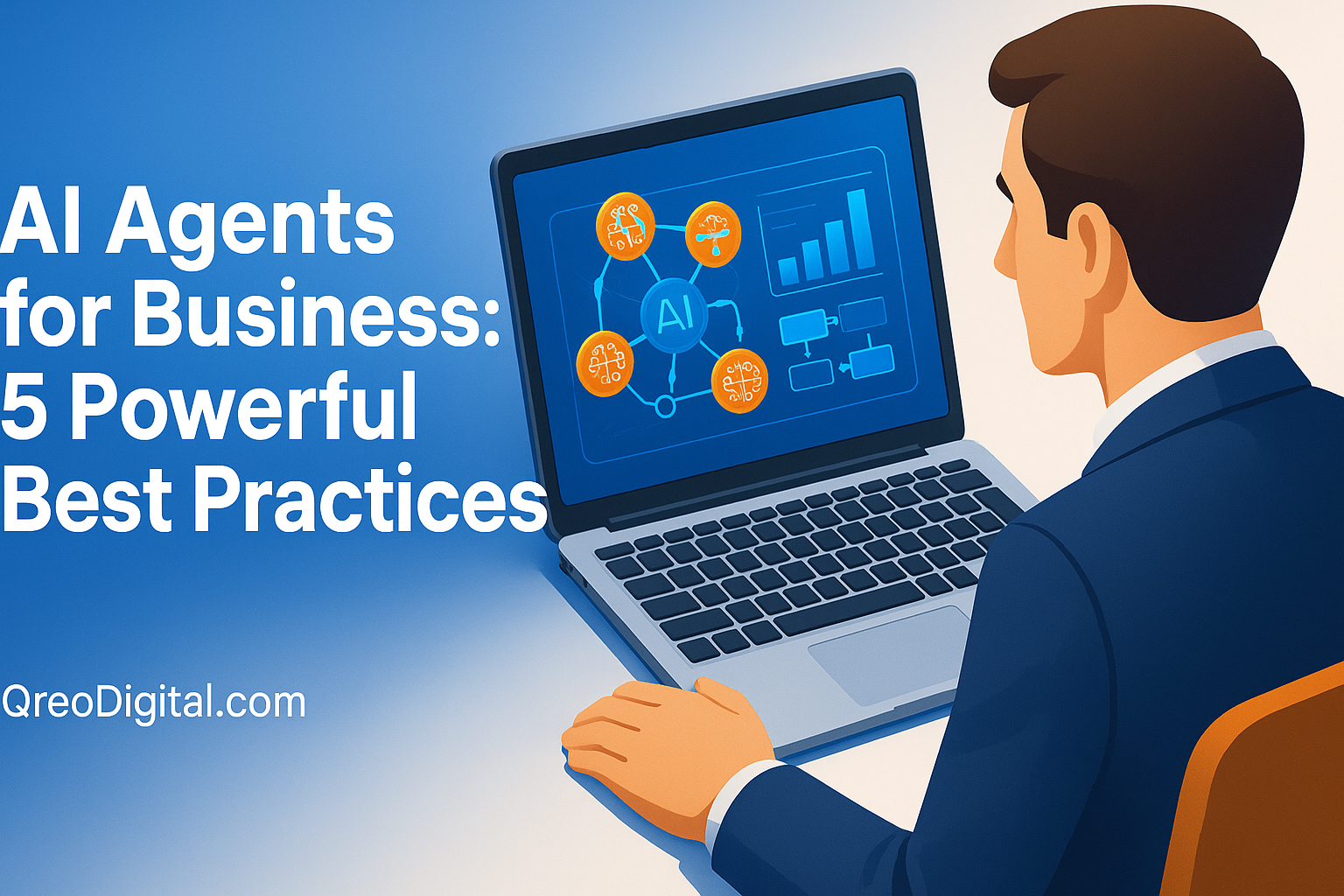
Implementing AI agents for business has officially transitioned from a futuristic experiment into the core driver of enterprise efficiency in 2026. Unlike traditional static software, these intelligent entities interpret goals, make decisions, and execute multi-step plans autonomously to achieve optimal business results.
As organizations look to scale their operations, utilizing our digital marketing services and specialized tech integration can unlock unprecedented growth. Let’s explore how these next-generation tools are fundamentally reshaping the corporate landscape today.
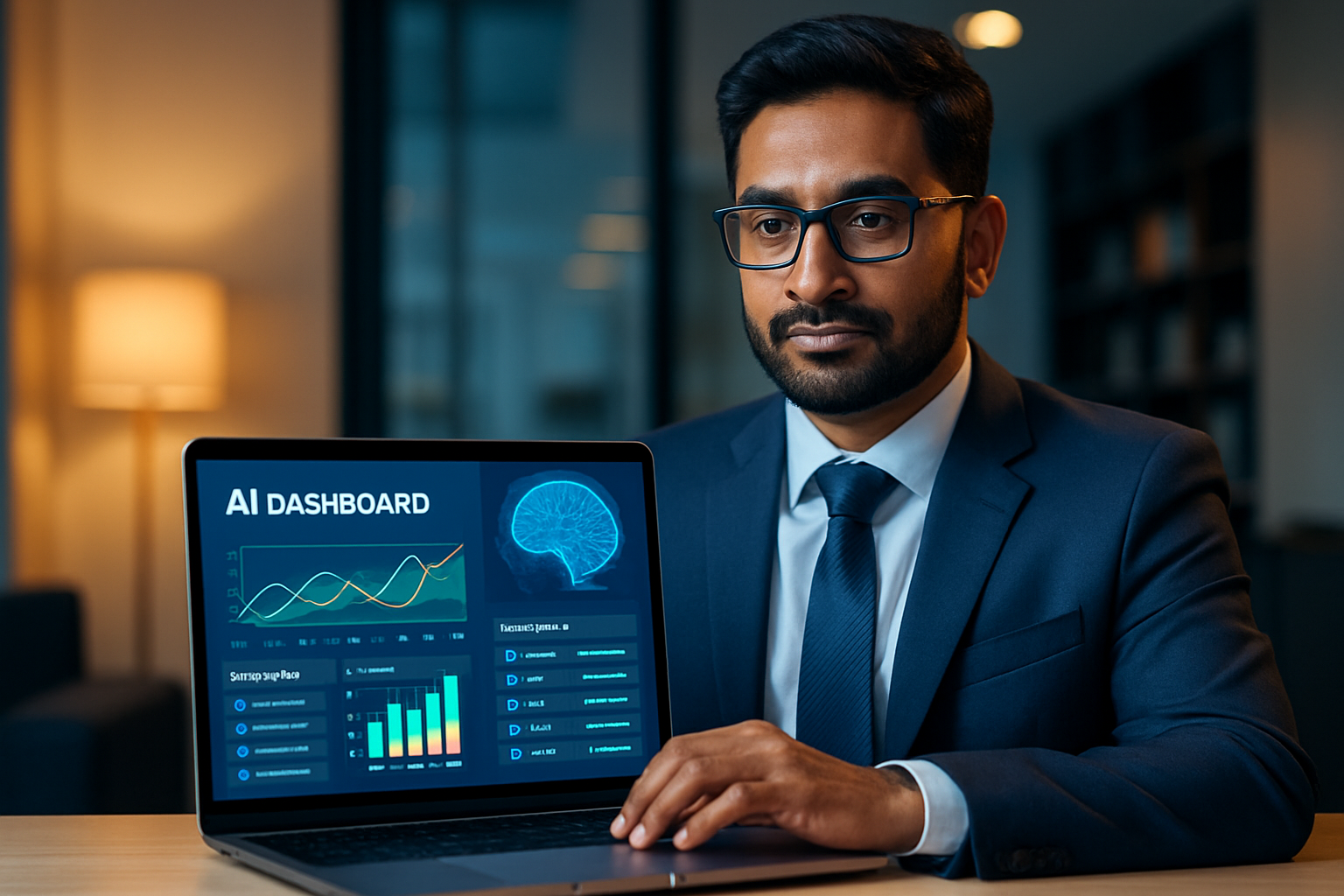
What Are AI Agents For Business and How Do They Work?
AI agents are autonomous software systems designed to perceive their environment, reason through complex tasks, and execute actions to achieve specific goals. They leverage advanced cognitive models to perform duties previously requiring human intervention.
These systems utilize sophisticated memory modules, planning algorithms, and tool integrations to navigate digital landscapes. This enables them to complete complex tasks seamlessly without requiring constant manual prompts.
The Evolution of Autonomous Workflows
The paradigm shift toward autonomous AI workflows marks the end of simple, trigger-based task automation. Today, a modern enterprise AI strategy focuses on orchestration, allowing multiple specialized agents to collaborate and self-correct dynamically.
Rather than merely transferring data between applications, these systems analyze outcomes and optimize their processes in real-time. According to recent McKinsey executive research papers, adaptive automation drives higher long-term efficiency.
Shifting From Automation To True Autonomy
Simple automated systems can only follow pre-defined, rigid paths. In contrast, autonomous systems actively adapt to unexpected variables, solving operational hurdles on the fly without human intervention.
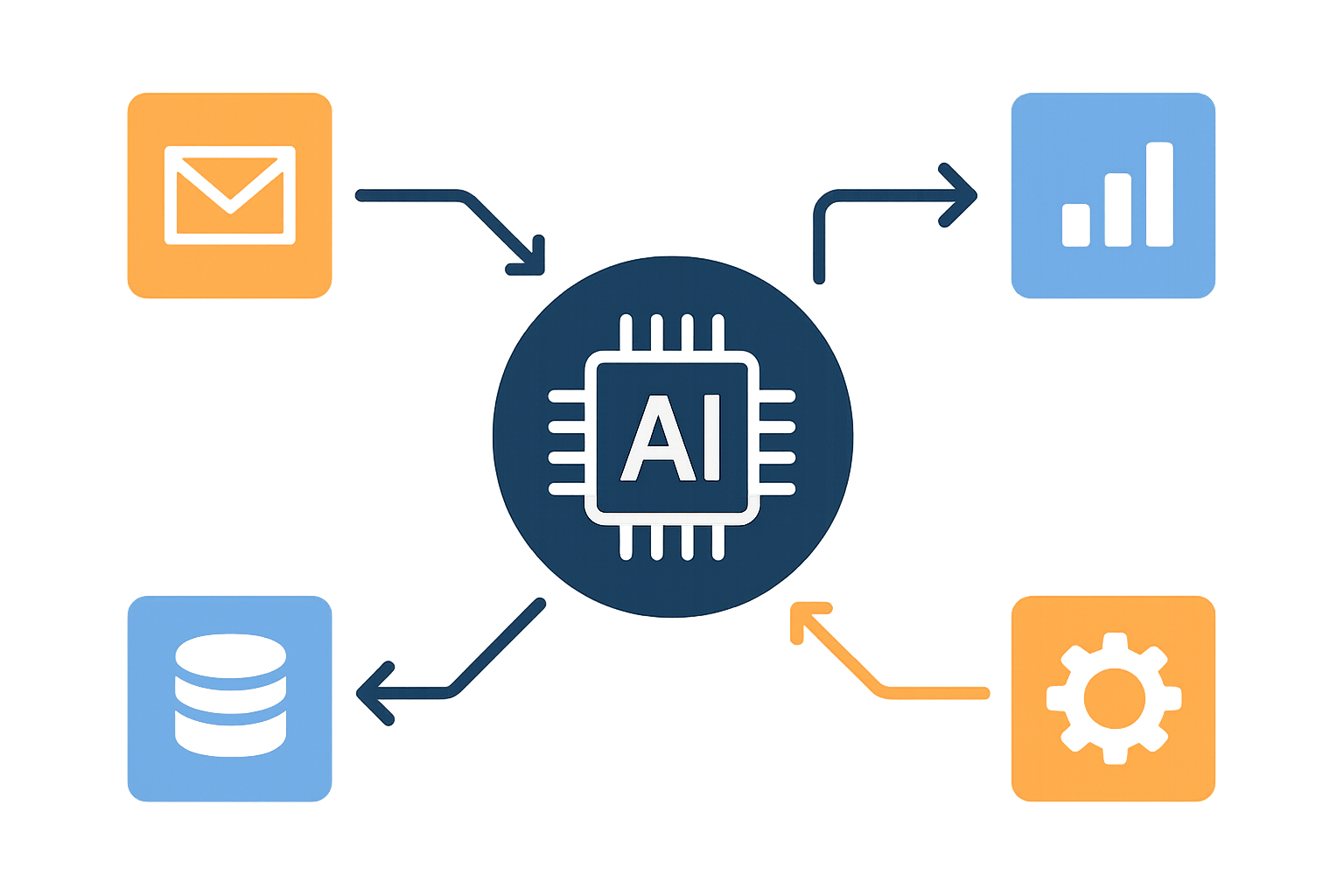
Benefits of Integrating AI Agents For Business in 2026
Integrating robust AI agents for business delivers scalable 24/7 operational continuity and dramatic cost reductions. These platforms can handle massive workloads simultaneously, freeing up human talent for creative and strategic initiatives.
Organizations can deploy these systems to instantly analyze real-time market signals and adjust marketing campaigns accordingly. Partnering with professionals for AI automation services ensures your deployment aligns with strategic corporate objectives.
Key Industries Transforming Through AI Automation
The adoption of generative AI automation is revolutionizing critical industry verticals, including healthcare, finance, and logistics. By implementing intelligent process automation, organizations eliminate traditional bottlenecks and improve end-user experiences.
Customer service sectors leverage virtual agents that resolve complex inquiries with human-like empathy and precision. Industry analyses from Gartner’s market analysis show a massive decline in resolution times globally.
Challenges and Ethical Considerations
While the benefits are immense, scaling autonomous technologies introduces serious challenges regarding security and decision transparency. Organizations must maintain oversight to prevent algorithmic bias and protect proprietary data.
Ensuring Data Security and Bias Mitigation
Implementing strict guardrails and continuous monitoring protocols ensures that your automated systems run safely and align with ethical compliance frameworks.
Best Practices for Implementing AI Agent Platforms
Successfully deploying modern AI agent platforms requires a clear, phased approach rather than a complete, immediate overhaul. Businesses should begin by automating highly repetitive, low-risk processes before scaling up.
Designing Robust AI Agents For Business Workflows
Start by mapping out exact operational requirements and choosing interoperable platforms. Continuous training, iterative feedback loops, and human-in-the-loop validation are vital to long-term success.

The era of intelligent operations is already here, and waiting to adapt is no longer an option. Let Qreo Digital help you navigate this transition, design custom AI frameworks, and scale your business effortlessly. Contact Qreo Digital today to kickstart your automation journey!
Frequently Asked Questions
What are AI agents for business?
AI agents for business are autonomous software programs that use machine learning to reason, plan, and perform operational tasks independently.
How do AI agents differ from traditional RPA?
Unlike rigid RPA that follows pre-defined rules, AI agents possess cognitive abilities, allowing them to adapt dynamically to unexpected process variables.
What is generative AI automation?
Generative AI automation refers to the deployment of neural models to generate new content, code, or workflows dynamically to automate complex actions.
How can businesses ensure the security of autonomous workflows?
Businesses can secure workflows by wrapping them in isolated sandboxes, implementing continuous real-time monitoring, and enforcing strict data encryption rules.
What are the top AI agent platforms in 2026?
The top AI agent platforms in 2026 emphasize multi-agent collaboration, secure API integrations, and robust visual development frameworks for enterprise operations.
How do autonomous AI workflows improve customer service?
Autonomous AI workflows handle complicated customer queries from end to end, analyzing context to deliver solutions instantly without human handoffs.
What is intelligent process automation?
Intelligent process automation blends robotic process automation with machine learning and generative capabilities to manage complex decision-heavy workflows.
What industries benefit most from AI agents?
Industries such as financial services, healthcare, logistics, and digital marketing see the fastest ROI through reduced costs and massive efficiency gains.
How should an enterprise start its AI strategy?
Enterprises should start by identifying low-risk, repetitive operational bottlenecks, deploying isolated pilots, and scaling with professional implementation partners.
Can AI agents completely replace human workers?
AI agents are designed to augment human work, automating repetitive execution while humans retain strategic supervision and high-level decisions.
